
Key Takeaways
- Bipolar disorder is a chronic, lifelong condition, it doesn’t resolve on its own, even during calm periods.
- Quiet stretches between episodes are called remission, not recovery.
- Skipping treatment often leads to more frequent and more severe episodes over time.
- Age can influence symptom patterns, but it doesn’t guarantee improvement without treatment.
- Consistent care, medication, therapy, and lifestyle support is what actually leads to long-term stability.
Quick Answer:
No, bipolar disorder does not go away on its own. It’s a lifelong condition tied to brain chemistry, and while symptoms can ease for a while, they tend to return without proper treatment. Understanding this pattern helps you make better decisions about care.
Why People Ask If Bipolar Disorder Goes Away
If you’ve ever gone months without a mood episode, you’ve probably wondered: does bipolar disorder go away on its own? It’s a fair question. Bipolar disorder doesn’t announce itself every single day. Some weeks feel completely normal. However, that calm stretch isn’t a cure, it’s usually just the quiet part of the cycle. In this blog, we’ll walk through what actually happens to bipolar disorder over time, why symptoms seem to disappear, and what you should know before assuming it’s gone for good.
What Bipolar Disorder Actually Is
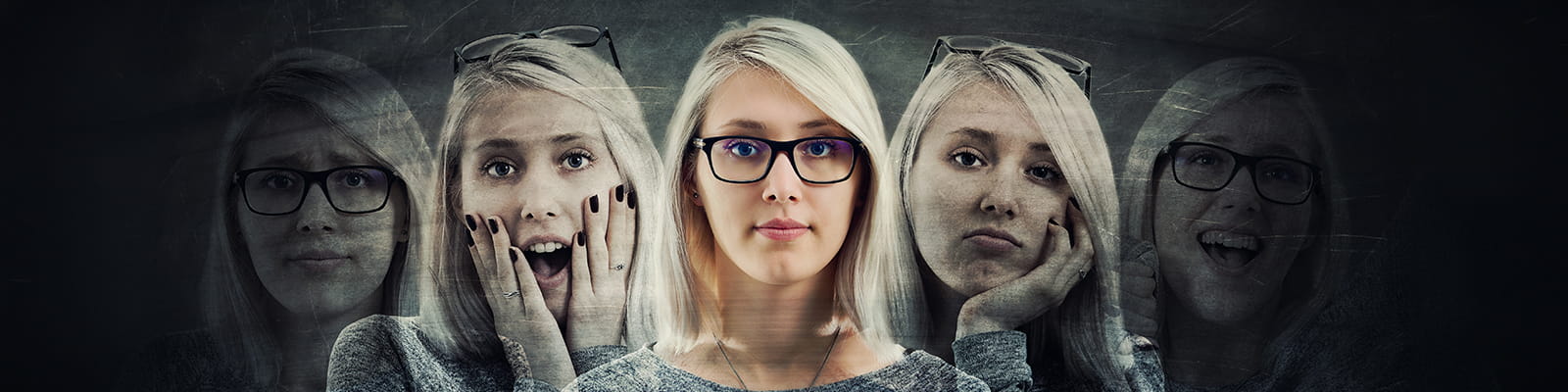
Bipolar disorder is a mental health condition marked by extreme shifts in mood, energy, and activity levels. You might experience manic highs, racing thoughts, impulsivity, less need for sleep. Then, on the other end, depressive lows can bring fatigue, hopelessness, and trouble concentrating. In fact, an estimated 4.4% of U.S. adults experience bipolar disorder at some point in their lives, and most cases involve serious functional impairment. So, when people ask does bipolar disorder go away on its own, they’re really asking whether the brain can somehow correct itself. Unfortunately, it doesn’t work that way.
Does Bipolar Disorder Go Away on Its Own?
Let’s address this directly. Does bipolar disorder go away on its own? No, it doesn’t. Bipolar disorder is a chronic condition, similar to diabetes or hypertension. It requires ongoing management rather than a one-time fix. Moreover, research consistently shows that untreated bipolar disorder tends to worsen over time, not improve. You might notice fewer manic episodes during certain years. But that doesn’t mean the underlying condition has resolved. In fact, bipolar disorder is not considered curable in the way an infection might be. Instead, it’s something you learn to manage through consistent care and support.
Why Bipolar Symptoms Seem to Come and Go
Here’s the thing, bipolar disorder is episodic by nature. That’s exactly why so many people believe it can vanish entirely. You might go through a manic episode, then feel stable for months, and start wondering: can bipolar disorder go away during these quiet stretches? The truth is, those calm periods are called “euthymia,” and they’re a normal part of the disorder’s pattern, not evidence of recovery.
Is It Remission or Is It Gone?
Remission means your symptoms have quieted down, often because of medication, therapy, or lifestyle changes. It’s easy to confuse this with the condition disappearing altogether. On the other hand, stopping treatment during remission is one of the most common reasons symptoms return, sometimes more intensely than before. So, does bipolar disorder go away just because you feel better? Not according to what clinicians consistently observe in long-term patients.
Can Bipolar Disorder Go Away Without Treatment?
This is where things get risky. Can bipolar go away on its own without any medical support? The honest answer is no and skipping treatment often makes the condition harder to manage later. Without intervention, episodes can become more frequent and more severe over time. Naturalistic studies have tracked relapse rates as high as 21.9% to 26.3% per year even among patients receiving routine care, and that risk climbs sharply higher without any treatment at all. It’s worth noting that bipolar patterns can look different depending on the person, including how bipolar disorder differs from ADHD in overlapping symptoms like impulsivity or distractibility. Getting an accurate diagnosis matters just as much as getting treatment at all.
Does Bipolar Disorder Get Better With Age?
You might be wondering if time itself changes the picture. Does bipolar disorder get better with age? For some people, episodes may become less frequent or intense as they get older, partly due to lifestyle stability and better symptom awareness. However, this isn’t universal. Other individuals experience more complicated symptoms with age, especially if left untreated for years. Understanding how someone with bipolar disorder thinks and processes emotions can also shift with age, treatment history, and overall brain health.
What Happens If Bipolar Disorder Goes Untreated?
Let’s be direct about the risks. Does bipolar disorder go away on its own if you simply wait it out? No and ignoring it can lead to real consequences. Career disruptions, damaged relationships, and financial instability are common outcomes of unmanaged bipolar disorder. Furthermore, untreated bipolar disorder can significantly affect daily functioning, which is why many people qualify for support under disability protections. If you’re curious about this, bipolar disorder and disability status is worth exploring further, especially if symptoms are affecting your ability to work consistently.
How Treatment Helps Manage Bipolar Disorder Long-Term
The good news? Bipolar disorder is highly manageable with the right approach. Treatment typically combines mood stabilizers, therapy, and lifestyle adjustments like consistent sleep and stress management. Additionally, ongoing clinical research continues to improve treatment options, including newer medications and therapy models.
At Revive Research Institute, we focus on advancing care through active clinical trials, giving patients access to emerging treatments beyond standard options. So instead of asking does bipolar disorder go away on its own, a more useful question is: what treatment plan actually works for you? That shift in mindset makes a real difference in long-term stability, especially when paired with accurate diagnosis, including distinguishing bipolar disorder from conditions like borderline personality disorder, which shares some overlapping traits.
Helping Bring Balance Through Research.
Participate in clinical studies focused on advancing care for bipolar disorder.
Final Thoughts
So, does bipolar disorder go away on its own? Based on everything we’ve covered, the answer stays consistent: no. It’s a lifelong condition that requires ongoing attention, not a phase that quietly resolves. However, that doesn’t mean life with bipolar disorder has to feel unstable or unpredictable. With consistent treatment, self-awareness, and support, many people manage their symptoms effectively and lead full, stable lives. If you or someone you know is navigating bipolar disorder, reaching out to a specialist is a solid first step toward long-term stability.
Frequently Asked Questions
Does bipolar disorder go away on its own?
No. Bipolar disorder is a lifelong condition, and it doesn’t go away on its own, even when symptoms ease for a while. Ongoing treatment is what keeps episodes manageable.
Can bipolar disorder go away without treatment?
No, it can’t. Without treatment, episodes tend to return and often become more frequent or severe over time. Skipping care raises the risk of relapse rather than lowering it.
Does bipolar disorder get better with age?
Sometimes. Some people notice fewer or milder episodes as they get older, especially with consistent treatment. Others don’t see much change, so age alone isn’t a reliable fix.
Can bipolar go away on its own during a calm period?
Not really. A calm stretch is usually remission, not recovery. The condition is still there, and stopping treatment during remission is a common reason symptoms come back.
Does bipolar ever go away completely?
No, bipolar disorder doesn’t go away completely. It’s considered a chronic condition, much like diabetes, and it requires long-term management rather than a permanent cure.